
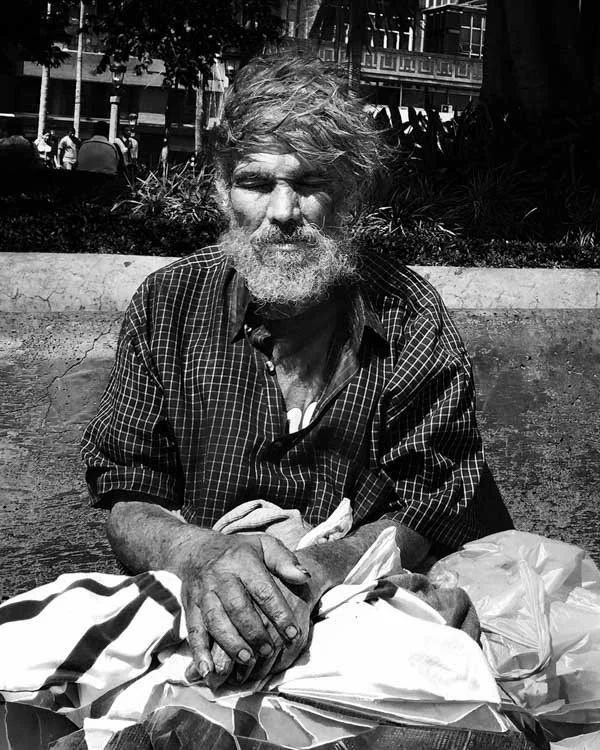
Article originally written in English. Automated translations may contain inaccuracies.
In San José, I took the same visual exercise I had started in London and pushed it further. I spent a few days walking through the city center, choosing the area for the density of people moving through the same streets. This time I used only an iPhone, keeping it loosely in my hand and photographing without deliberately framing a single image. Every portrait in the series was made through blind shooting.
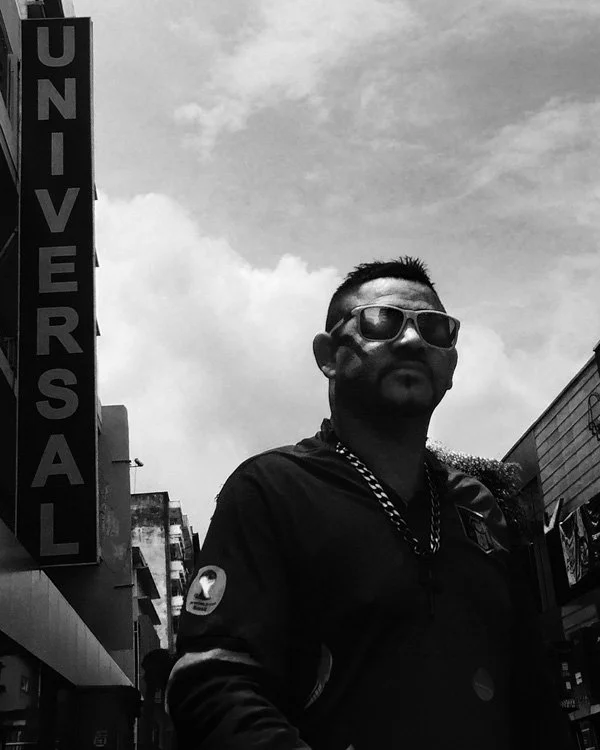
The process was simple: walk, observe, notice someone visually interesting, anticipate the distance and perspective, and press the shutter without looking at the screen. I did not review the images while walking because doing so would have compromised the exercise. The photograph existed only as an approximation in my head until I saw the results later.
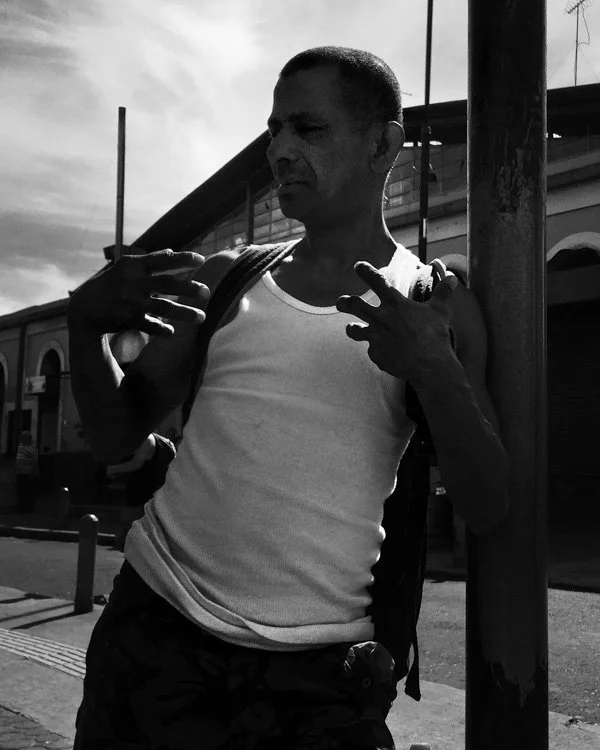
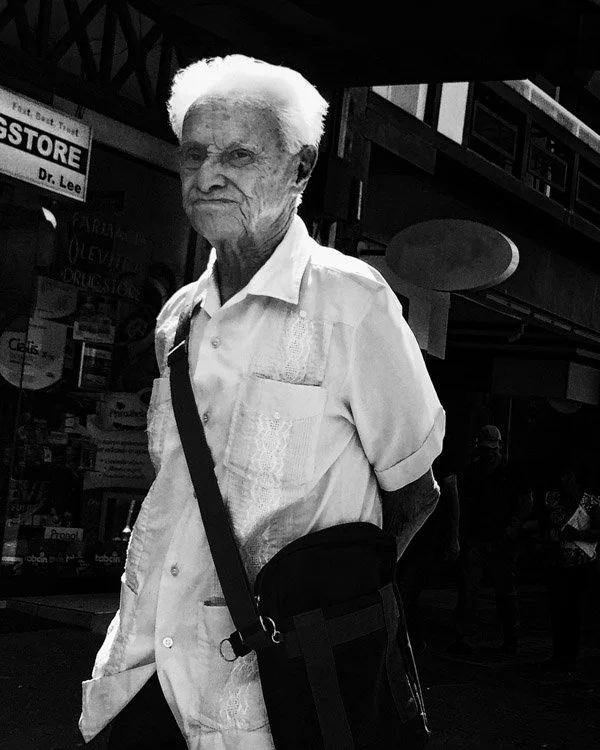
San José was somewhat culturally more familiar to me, as I understood the social codes around me much better. That allowed me to make more conscious decisions about whom to photograph and how close I could get. At the same time, I had to pay much closer attention to what was happening around me. Moving anonymously through a busy city center with a phone in my hand required constantly reading the street, including situations where getting too close simply did not feel like a good idea.
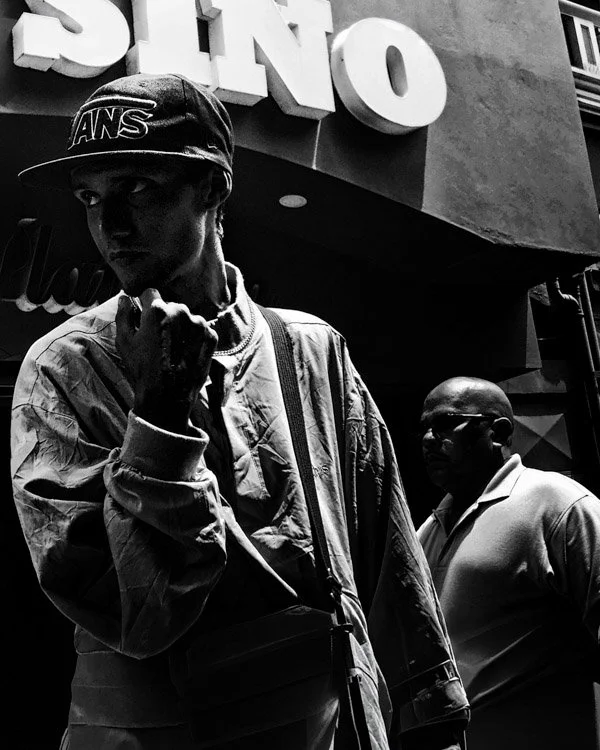
I was not looking for a particular social background or trying to document a specific condition because people themselves were what interested me. A face, gesture, posture, expression or way of occupying the street was enough to make me react. I wanted the photographs to remain simple observations of everyday life, made without interrupting or influencing the people I encountered.
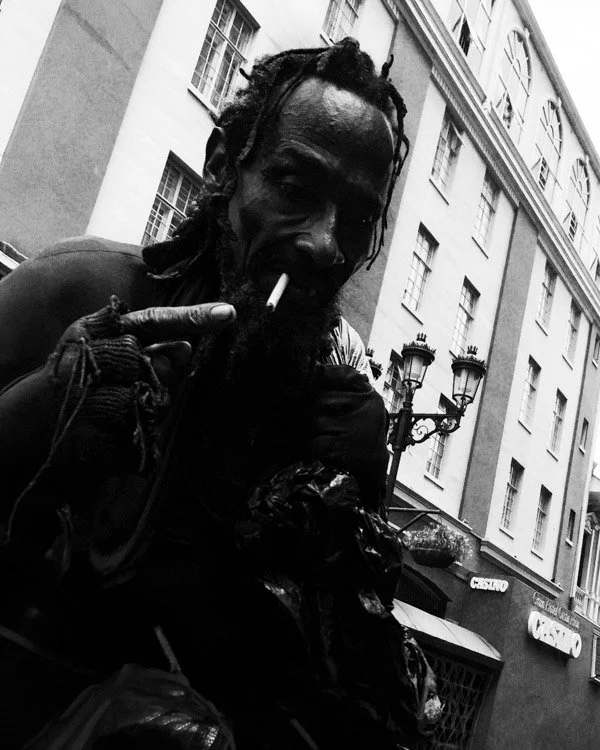
Some of the portraits were made from less than a meter away. The iPhone made that proximity much easier than a conventional camera because I could move naturally through the street without visibly becoming a photographer. I never stopped anyone, asked for a pose or interrupted what they were doing. Someone could be talking, resting, smoking, playing music or simply walking past me, and I would continue moving immediately after taking the photograph.
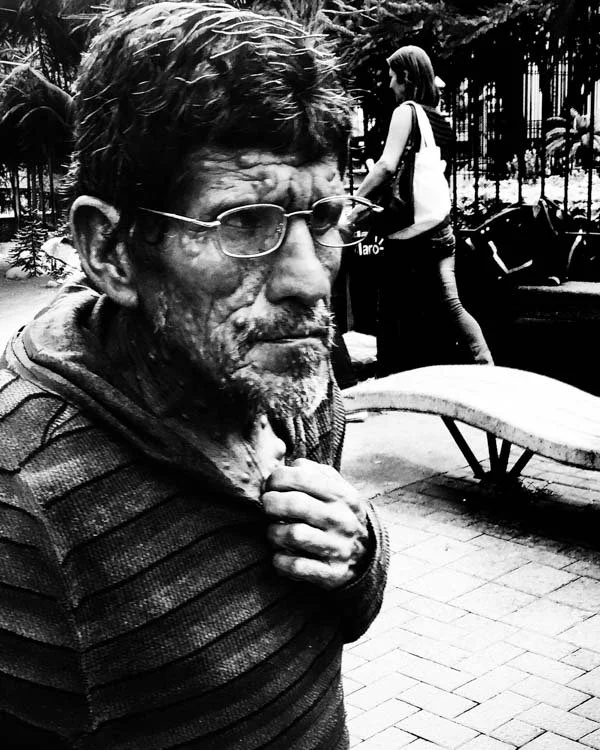
Overtime I have become more comfortable trusting my sense of distance, perspective and timing for street photography, but the results could still surprise me because I do not see the frame while making it, I sometimes discovered later that a gesture, movement or expression had fallen into place exactly when I pressed the shutter.
What interested me most about the series was not San José as a destination because the city was simply the space where these people crossed my path. The portraits became fragments of everyday life made without directing it: characters encountered briefly, photographed instinctively, and then left to continue whatever they were already doing.
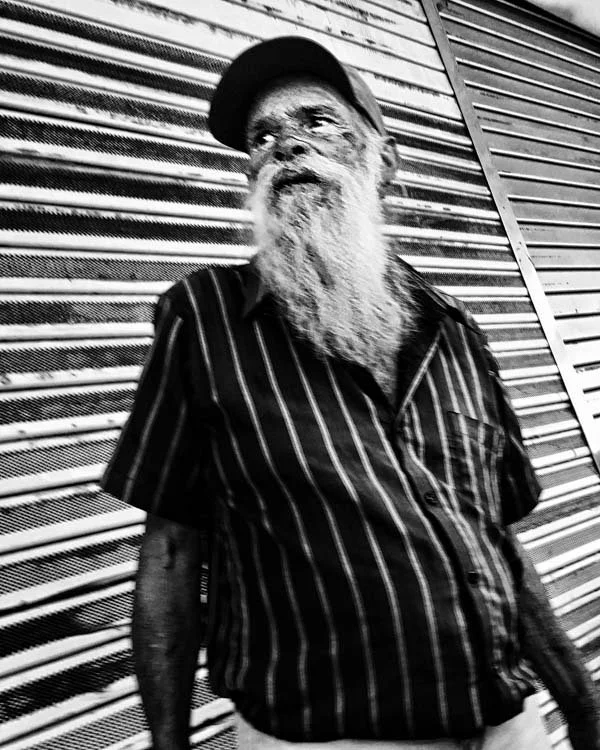
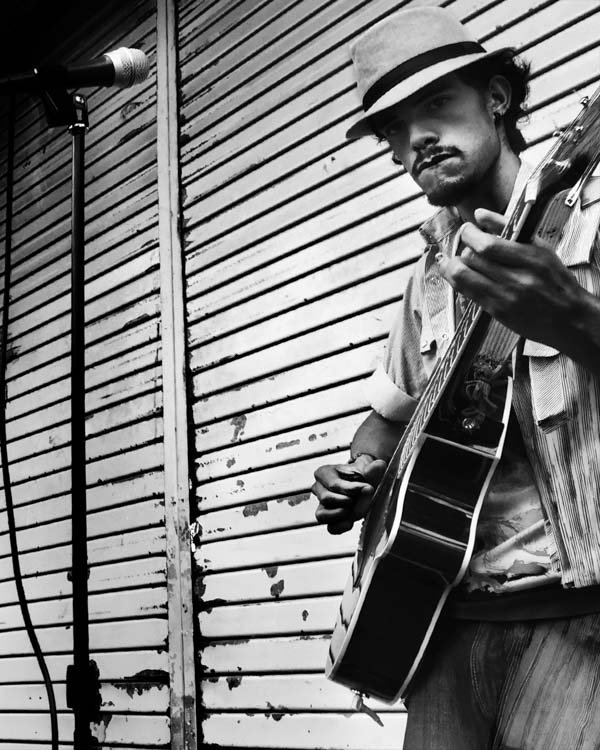
As a photographer, I have traveled to many places, some of them with remarkable landmarks, modern architecture and impressive development. But personally, I would rather discover a city through its people. That is where I get a real sense of a place.
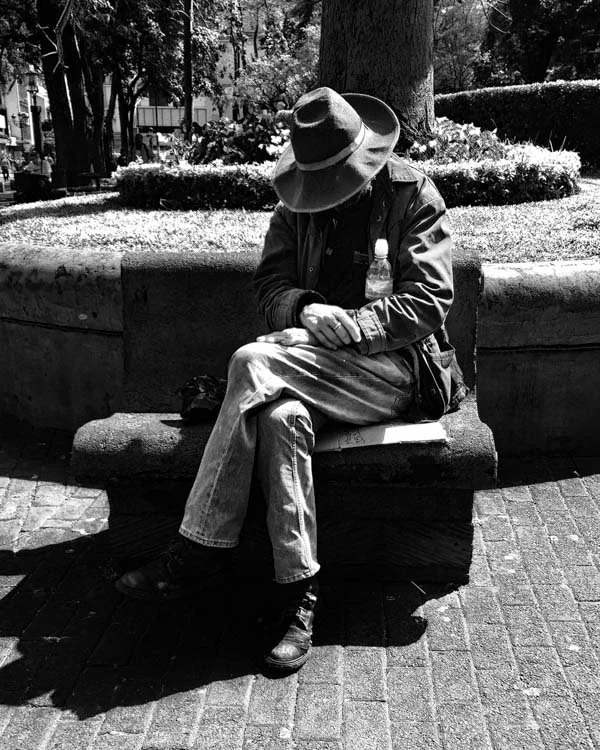
Costa Rica is known worldwide as a tourism destination, and I wanted to explore it visually from a different perspective. Beyond these photographs, what stayed with me most was the warmth of the people. I found Costa Ricans open, friendly and genuinely kind, and I left with a very positive impression of them as a society.
