
Article originally written in English. Automated translations may contain inaccuracies.
Coffee has long been one of El Salvador’s most emblematic agricultural products coming from the mountainous regions of the country where altitude, climate and terrain contribute to the quality of the crop. Beyond its economic importance, coffee has also provided seasonal employment and a source of income for generations of people living in rural areas.
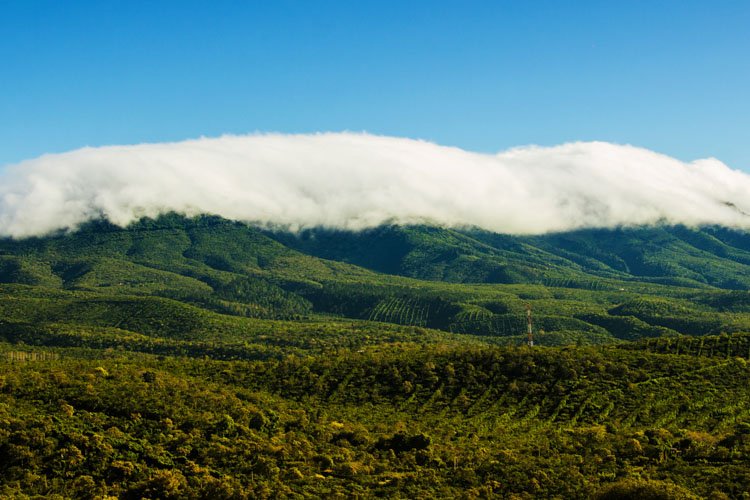
I photographed this series during harvest season on a farm in western El Salvador, at approximately 1,400 meters above sea level, where the coffee produced was destined for export to North America and Europe.
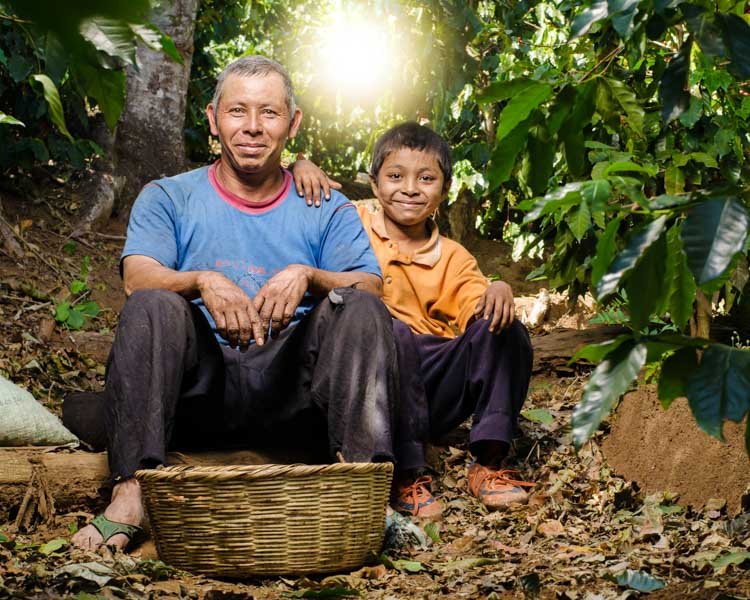
My interest, however, was not only in the crop itself. I wanted to photograph the people whose work makes that product possible and portray them with dignity and with the same attention normally given to the finished coffee. Rather than treating them as figures within a broader image of coffee production, I wanted the workers themselves to become the subject of the photographs.
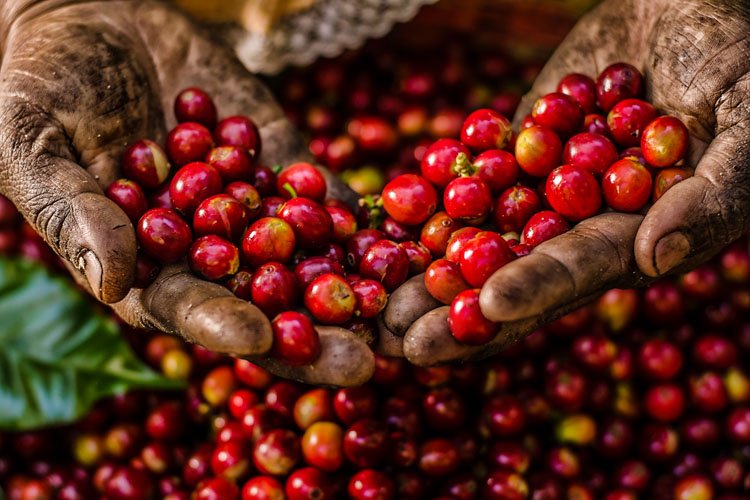
When people abroad encounter a coffee identified by its origin, they may know the country, region, altitude or even the farm where it was produced. What remains largely invisible are the people at the very beginning of that process. Before the coffee is processed, cupped, exported, and roasted, someone has to move through the coffee trees and select the ripe cherries by hand.
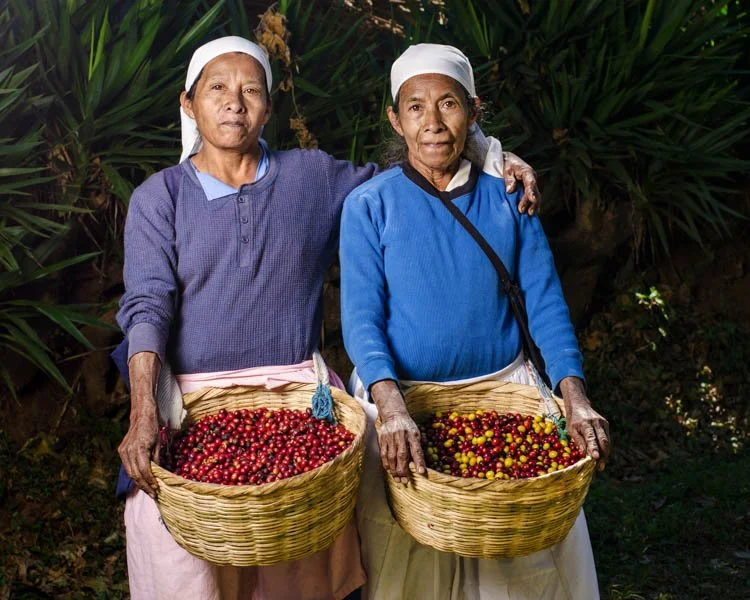
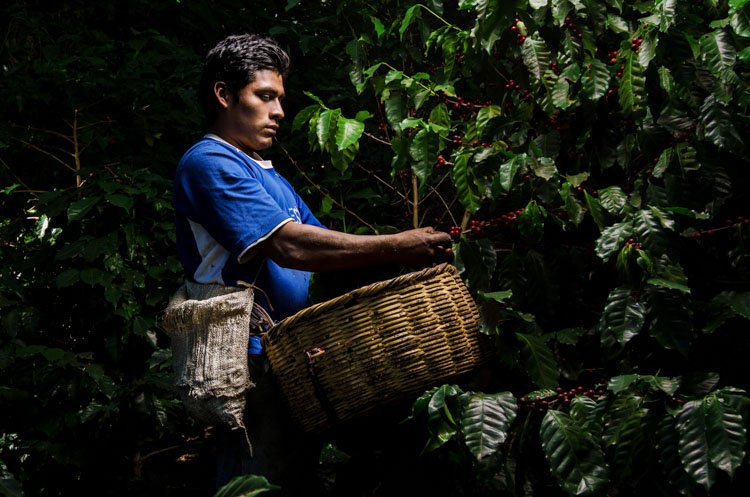
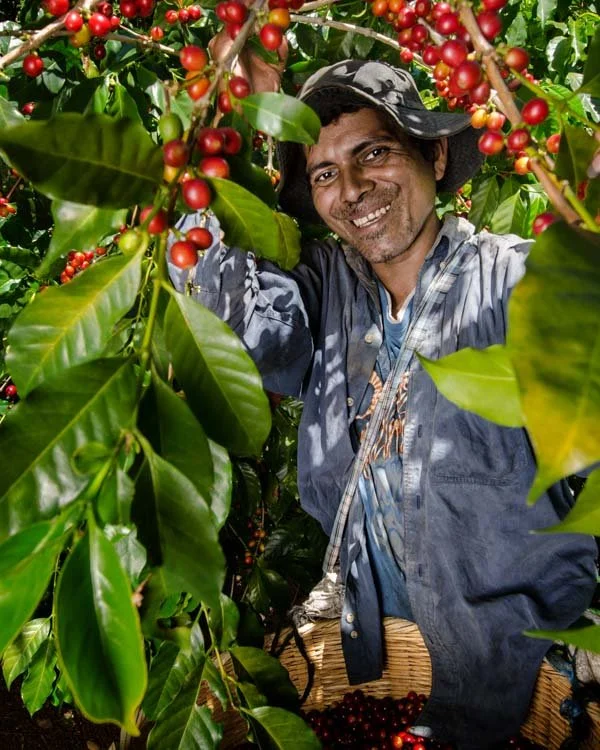
The physical demands behind the product are rarely visible to the consumer, and the number of people involved before a cup of coffee reaches its final destination is much greater than it might appear.
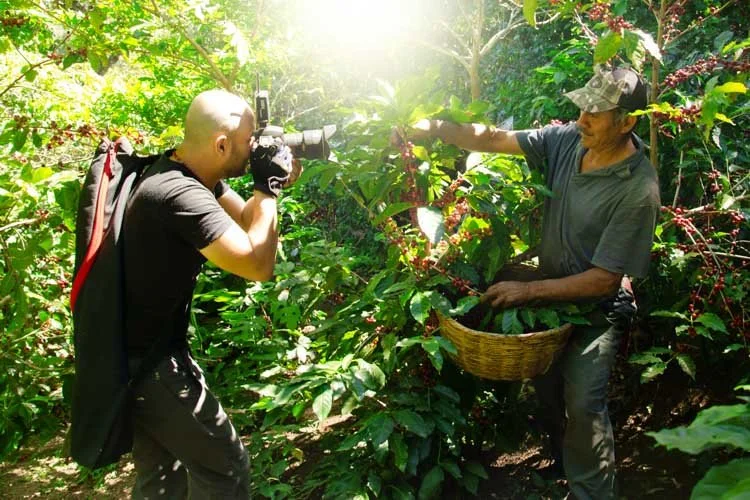
I returned to the farm several times during the harvest, which gave me the opportunity to spend more time around the cherry pickers and understand their routine beyond a single visit.
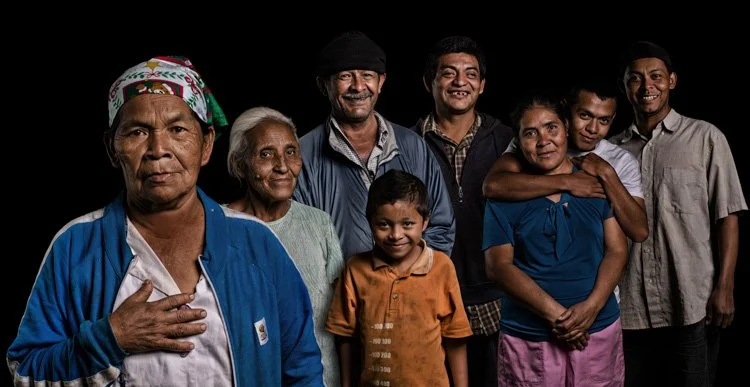
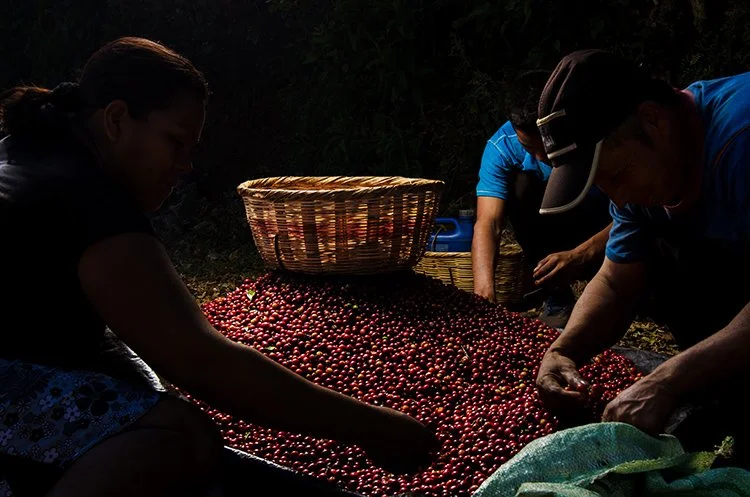
Many came from surrounding areas and worked alongside relatives—couples, cousins, parents and other family members sharing the same rows and moving through the plantation together. Their days began around six in the morning and usually ended until the afternoon.
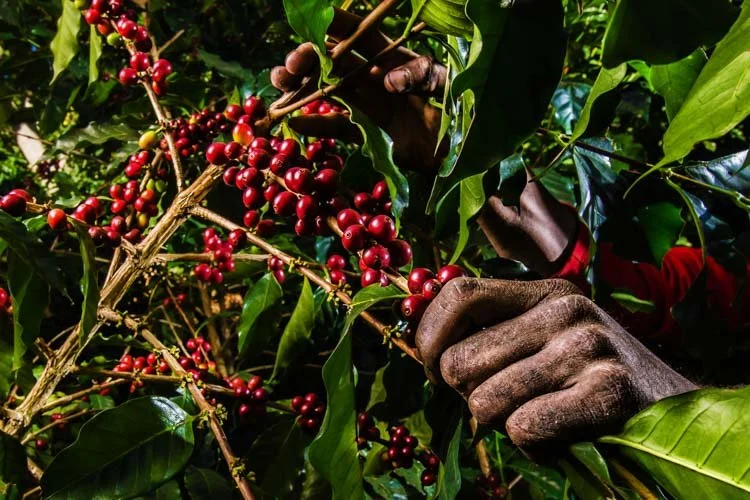
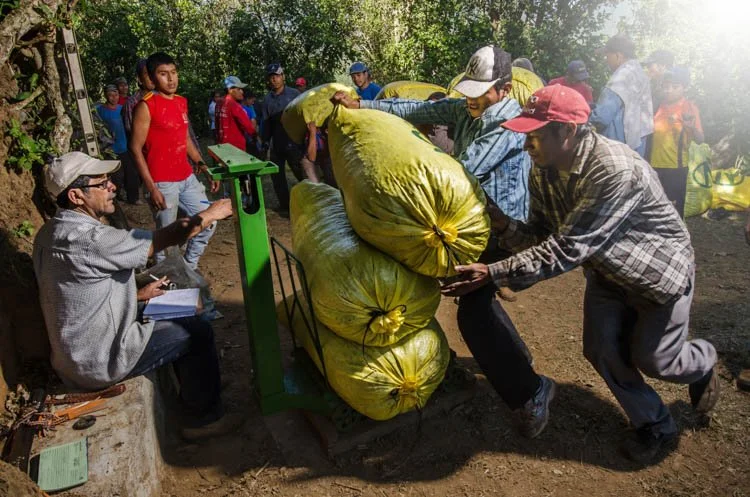
They carefully selected the ripe red cherries, filled their baskets, and later transferred the harvest into sacks to carry it to a collection point, where it was weighed by the caporal.
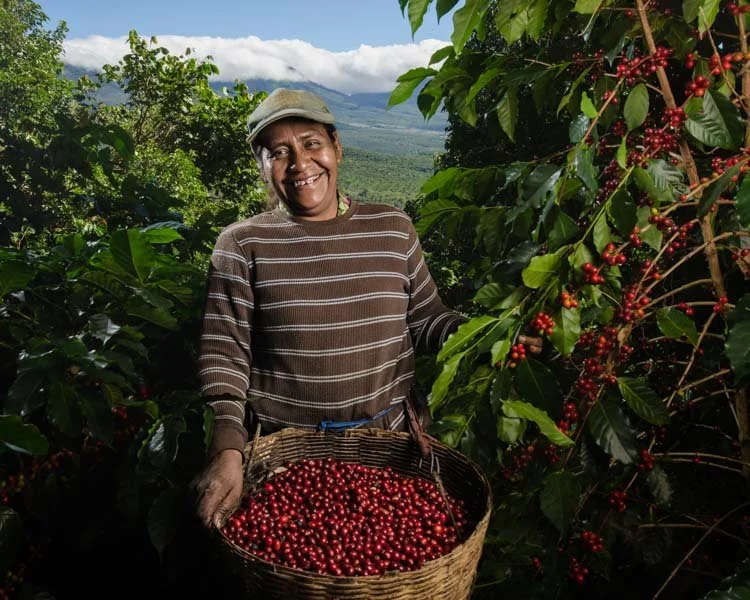
As each morning progressed, the baskets became heavier, the steep terrain made every step more demanding, and the same motions continued for hours. Even within that routine, I found the same warmth, openness and good humor that I deeply enjoy when interacting with people from rural areas of El Salvador.
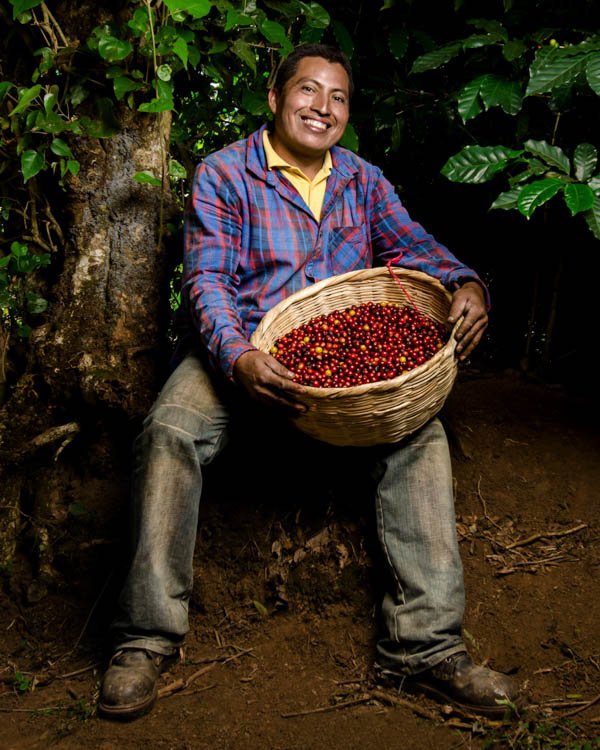
They were remarkably generous with their time and genuinely willing to let me into their space for a few minutes, which made those encounters as important to me as the photographs themselves.
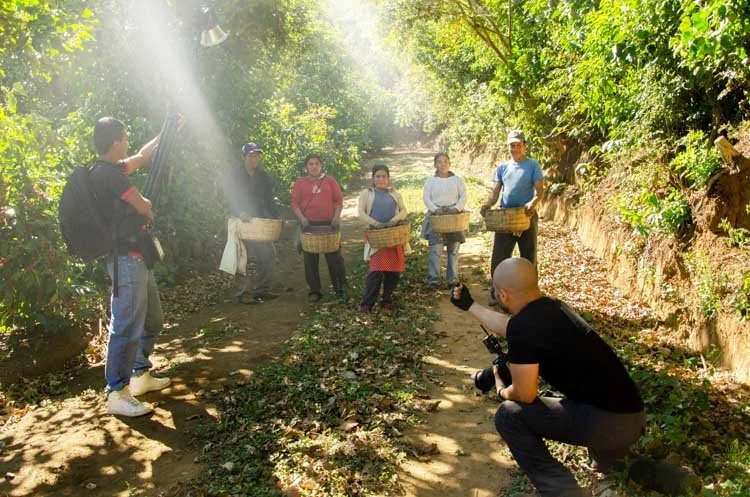
I would walk through the rows until I found the person and surroundings I wanted to photograph. The son of the caporal became my assistant during the sessions, and I taught him how to hold and position the light while I concentrated on the person in front of me.
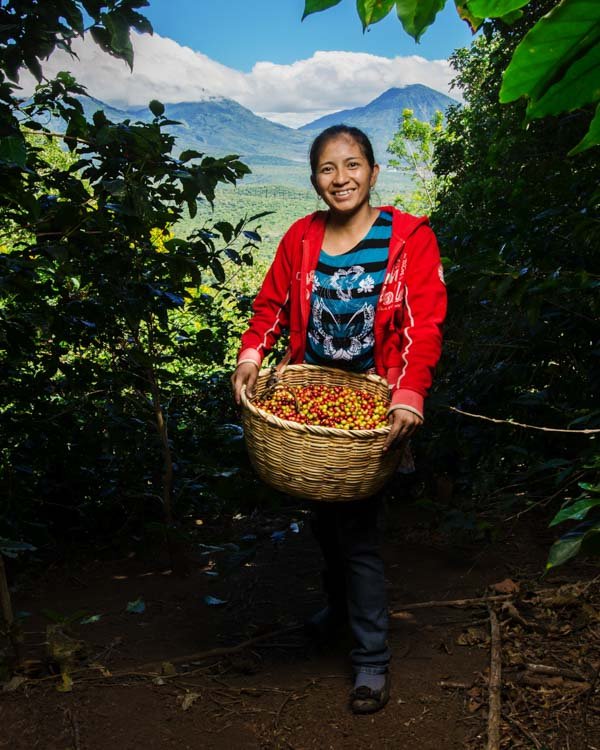
I stayed with them, talked and allowed the interaction to develop before making the portrait. Sometimes the conversation lasted longer than the photograph itself. By the time I raised the camera, there had already been enough interaction for them to understand what I was doing and, more importantly, to feel comfortable with me.
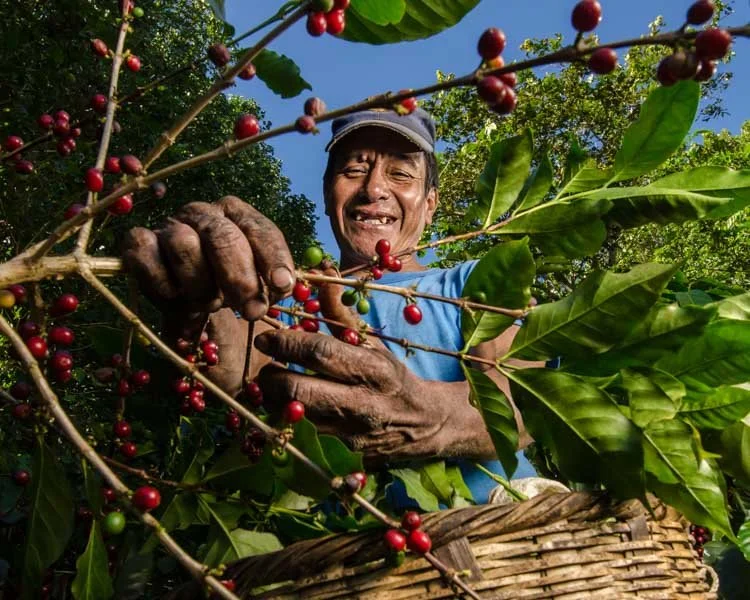
Something I found particularly rewarding was how genuinely pleased many of them seemed to be considered for a portrait. There was very little hesitation or self-consciousness; once the interaction had developed naturally, being photographed felt less like an interruption and more like something we were doing together.
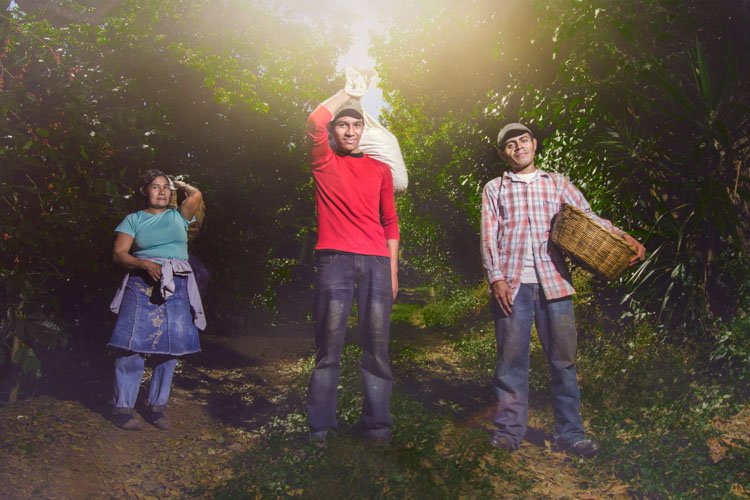
That sense of collaboration also shaped how I wanted the people in front of me to be represented. For me, respect begins before the photograph itself—with how I approach someone, how I speak to them, and how I enter a working environment that belongs to them rather than to me.
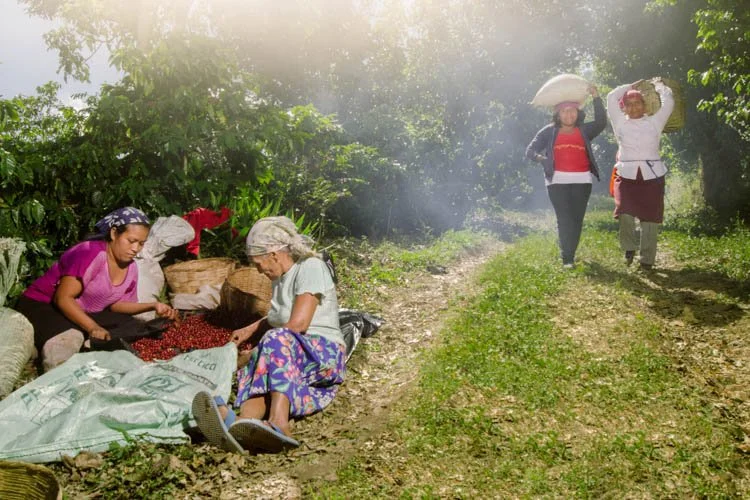
The visible signs of the work are part of the reality of coffee harvesting, but they exist alongside personality, pride, humor and individuality. Presenting people with dignity and respect means allowing all of those things to exist together rather than reducing someone to the hardship of their work.
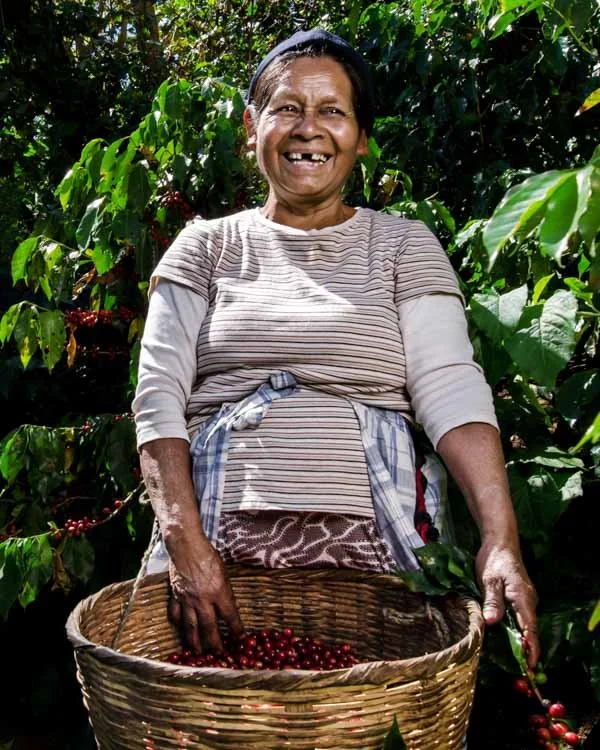
Even in the middle of that physical effort, there was an unmistakable warmth in the way they interacted with me. The smiles that appear in the photographs came naturally from those exchanges. For me, they also reflect qualities I strongly associate with Salvadoran cultural identity: hard work, humility and the ability to face difficult circumstances without losing a smile. That combination is one of the clearest expressions of resilience in El Salvador.
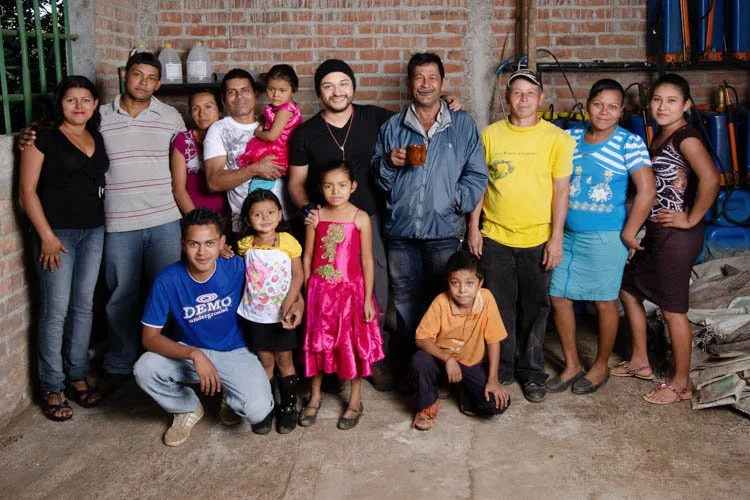
Long before the coffee reaches a roaster, a package or a cup thousands of kilometers away, these seasonal workers have already spent hours moving through the plantation and selecting each ripe cherry by hand. Their names do not appear on the label, yet their work remains an essential part of everything that follows. This series is my way of giving some of those anonymous faces a place within the story of the coffee they help produce.
—Thank you to Susana for giving me the freedom to create and for sharing that same instinct to challenge the status quo.
