
Article originally written in English. Automated translations may contain inaccuracies.
During the winter in London, I would walk for hours at a time with no particular route or subject in mind. I was interested in observing people as they moved through the city and photographing moments without interrupting them or changing their behavior. Most of the time, I simply walked until something caught my attention.
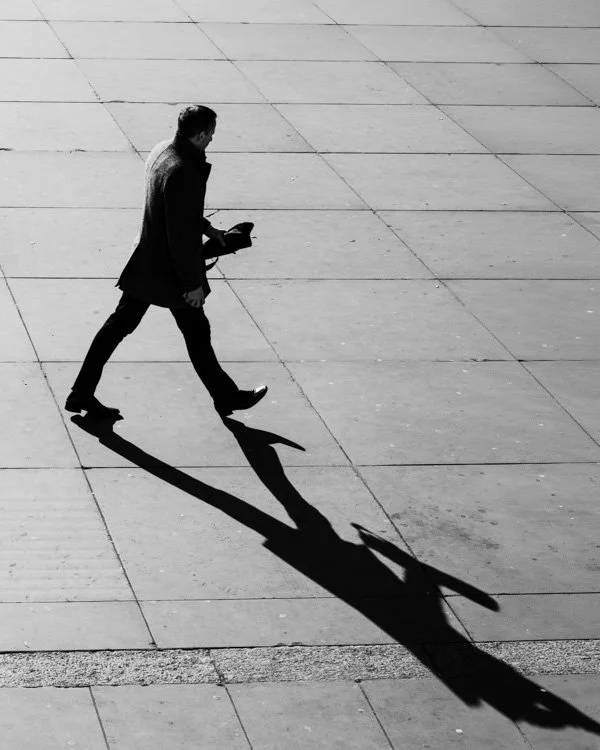
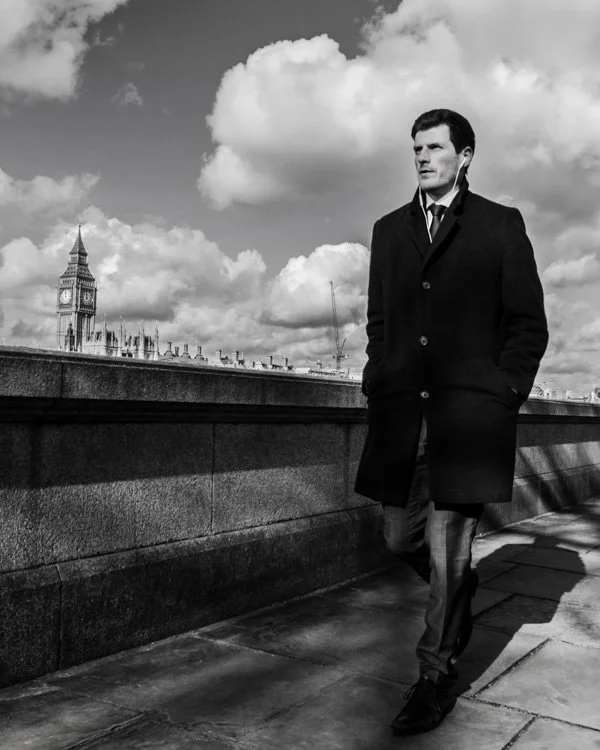
For many of the portraits, I carried the camera resting against my messenger bag and never looked through the viewfinder. I would notice someone approaching, anticipate the distance and perspective, and press the shutter when instinct told me the moment was right.
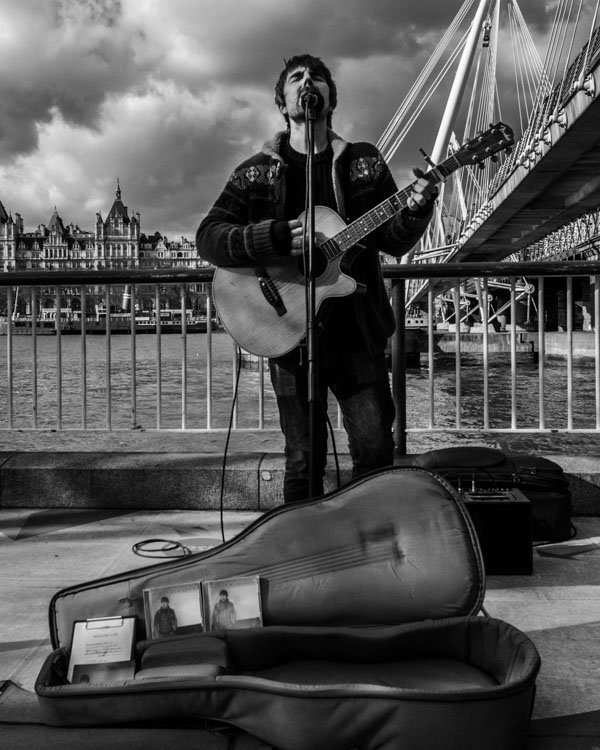
Blind shooting became the core of the exercise, although in some situations—especially when working from a greater distance—I used the viewfinder to compose more precisely. Either way, the intention remained the same: observe without interrupting the scene and react before the moment disappeared.
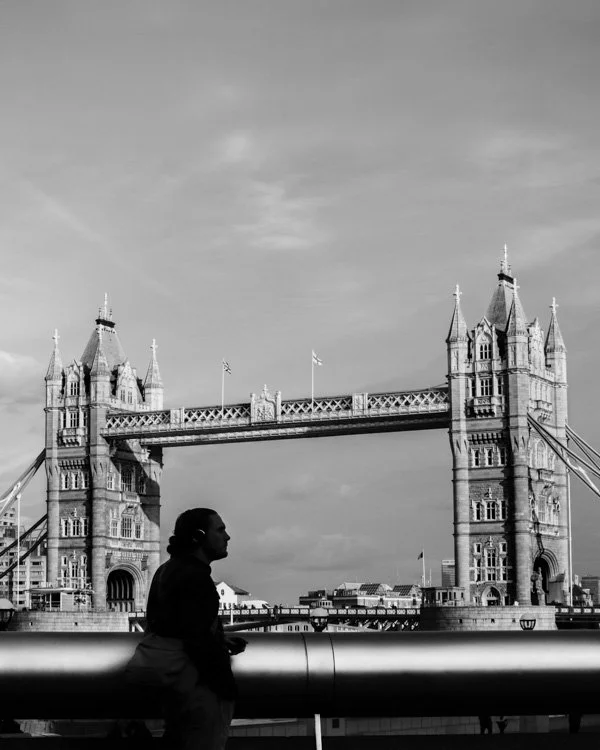
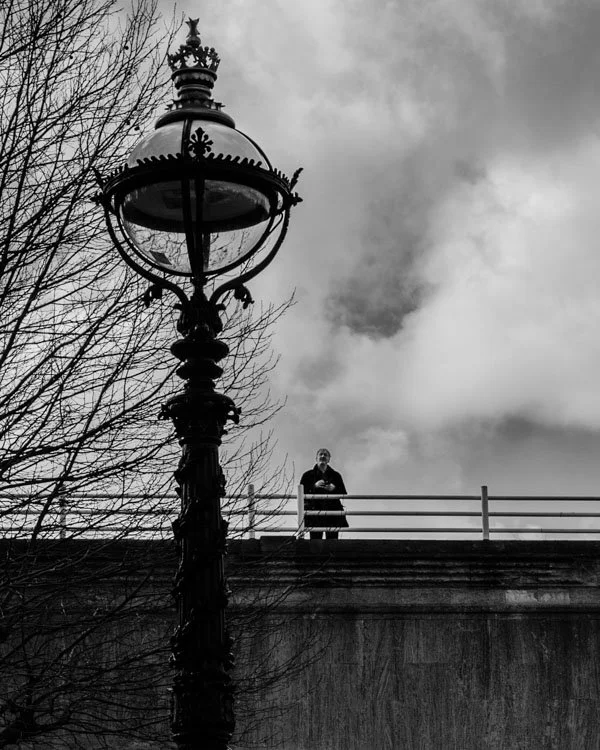
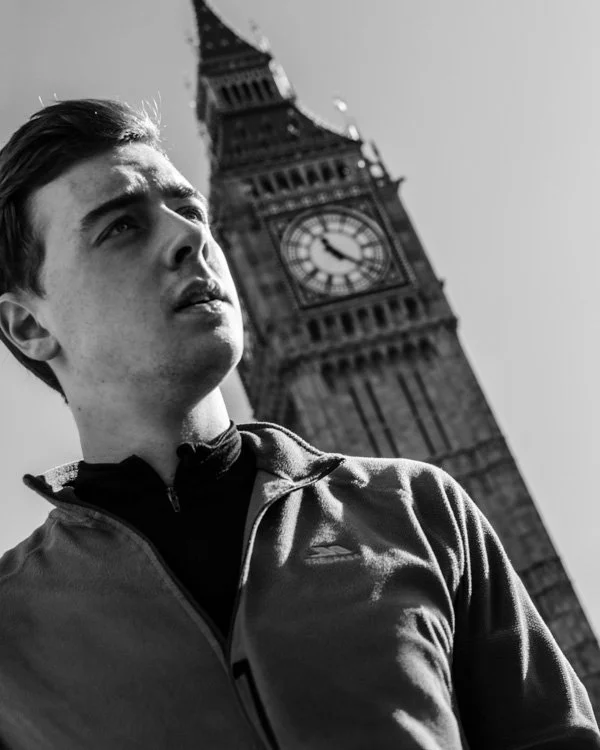
After several hours in the streets, most attempts naturally failed, but often two or three photographs that worked made the hours in the cold worthwhile. That frustration became part of the routine, and when an image finally matched what I had imagined without ever seeing the frame, the result felt especially rewarding.
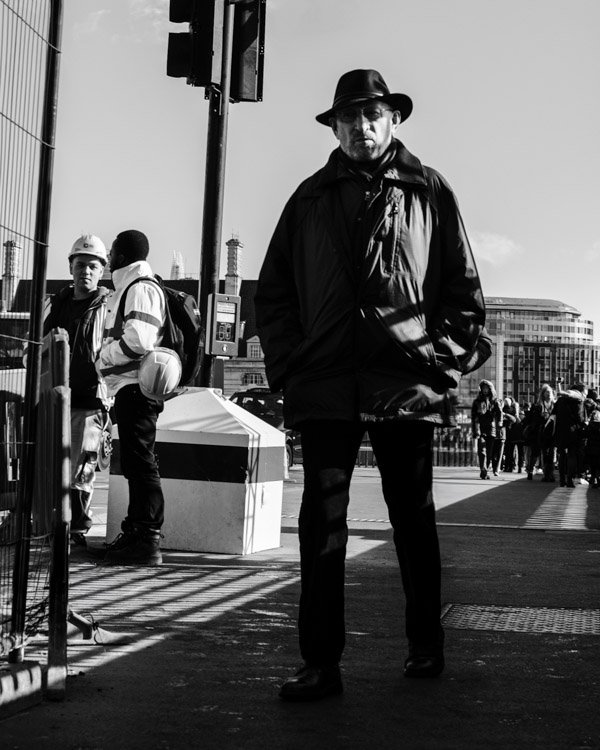
This approach is exactly the opposite of how I normally make portraits. My process is deliberate, but more importantly, it is built around interaction with the person in front of me. I talk, direct, observe their response and adjust until the portrait feels natural. I also control light, position, perspective and color, and I rarely need many photographs to get what I want.
On the streets, none of that interaction existed. The person was usually unaware of the camera, kept moving, and the moment disappeared almost immediately. I could not direct an expression, change a position or ask for another frame. I had to rely on observation, spatial awareness, timing and instinct.
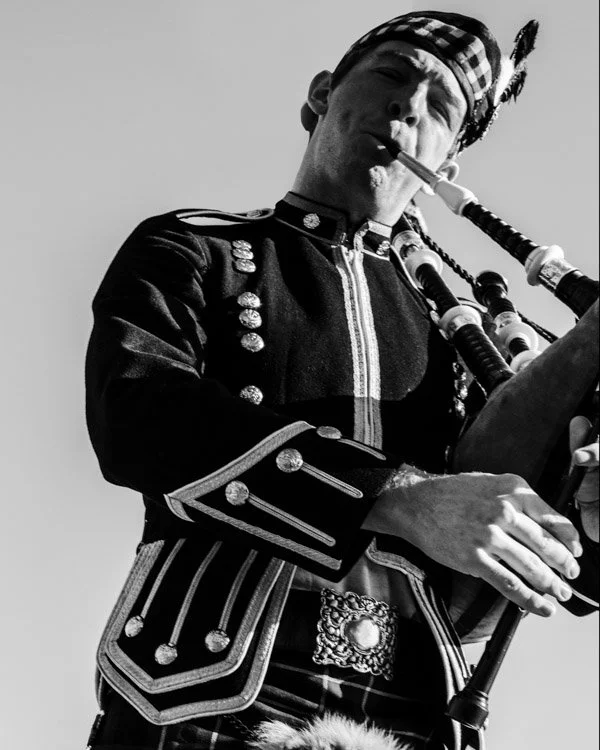
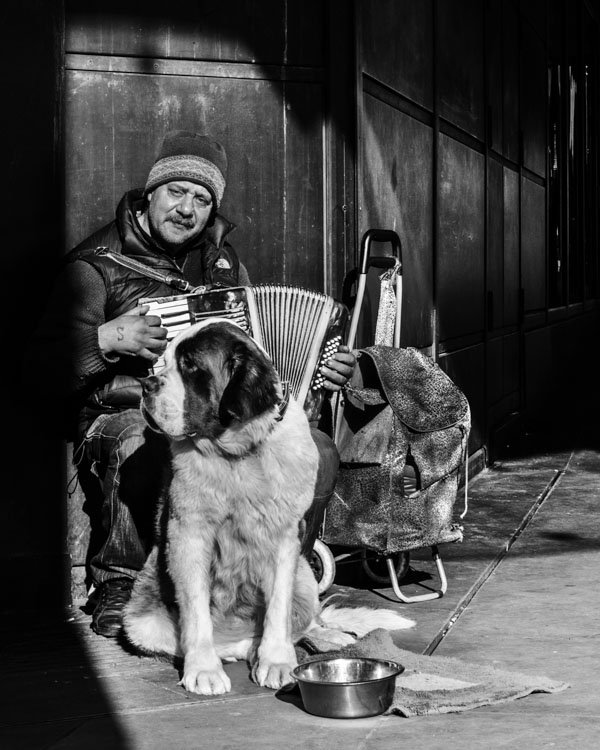
Street musicians are a subject I always enjoy photographing because they often reflect a combination of courage, passion and dedication to their craft—qualities I deeply respect.
Looking through the portraits later, I noticed that many of the scenes who had caught my attention were of people walking alone, waiting, working, listening to music or simply absorbed in their own thoughts. It was not something I had planned, but the pattern kept appearing. Perhaps I was simply more attuned to those scenes because I was experiencing the city in a similar way myself, and some of them became reflections of my own experience.
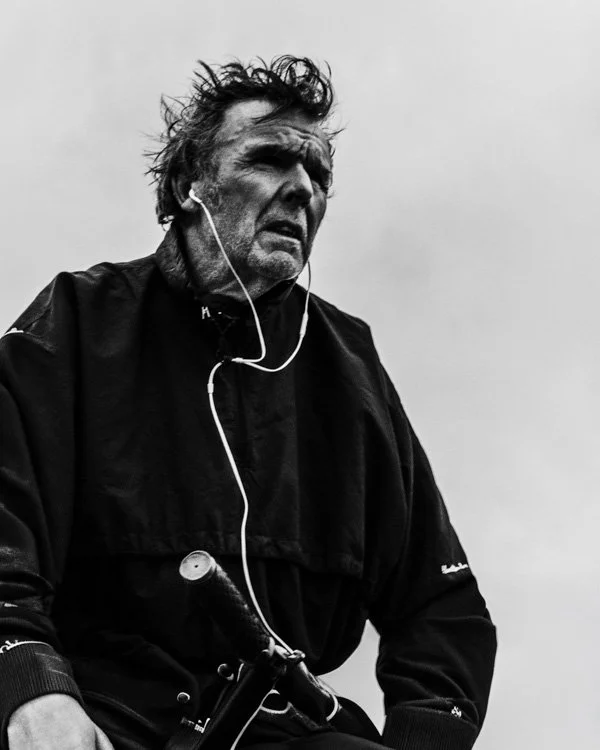
London felt unusually solitary to me. The streets could be full of people while everyone still seemed to move within their own private space. Coming from El Salvador, where everyday life often involves spontaneous interaction with other people, that social distance was something I noticed constantly. I do not know whether the people in these scenes were lonely, reflective, tired, focused or simply going about their day.
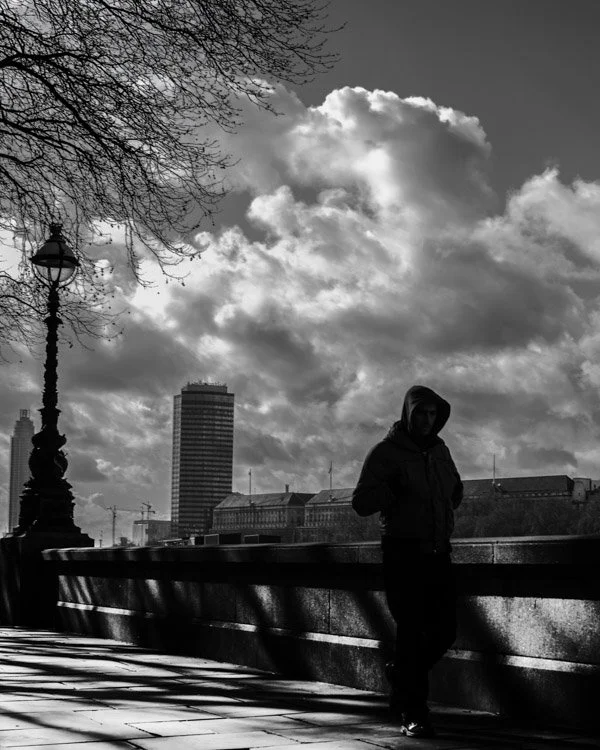
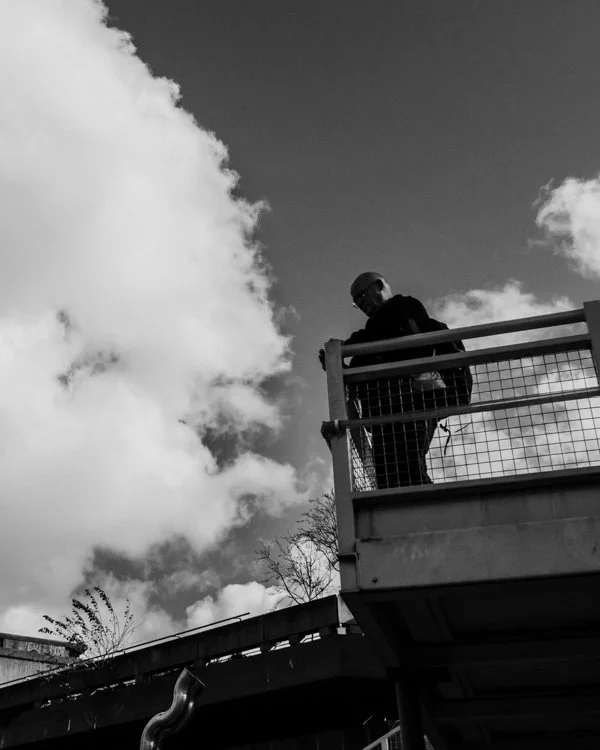
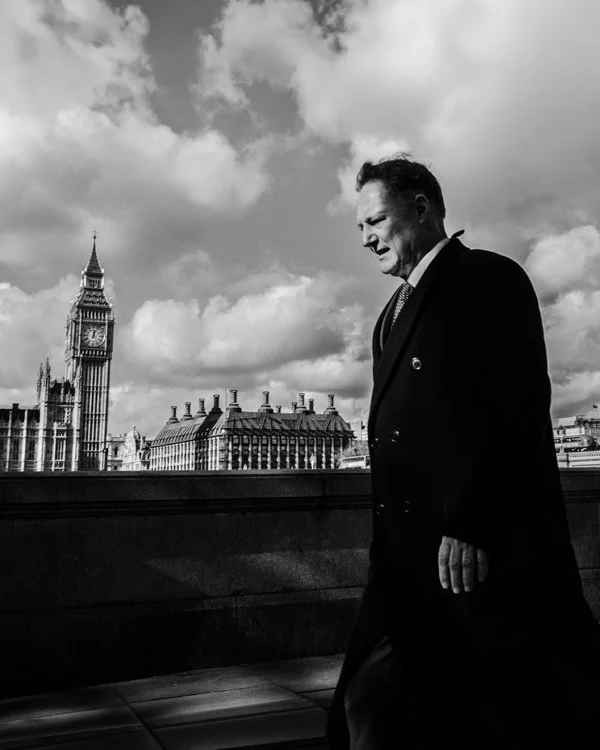
I would not pretend to know whether the people in these scenes were lonely, reflective, tired, focused or simply going about their day. Seen together, however, the portraits reflected the anonymity, distance and introspection that I experienced while walking through such a large city.
None of these scenes could be repeated. The person, the light, the gesture and my position existed together for only an instant before we both continued walking. That uncertainty is what keeps this kind of street photography interesting to me as it is an exercise in accepting failure, learning from it, and continuing for the possibility of one image worth keeping.
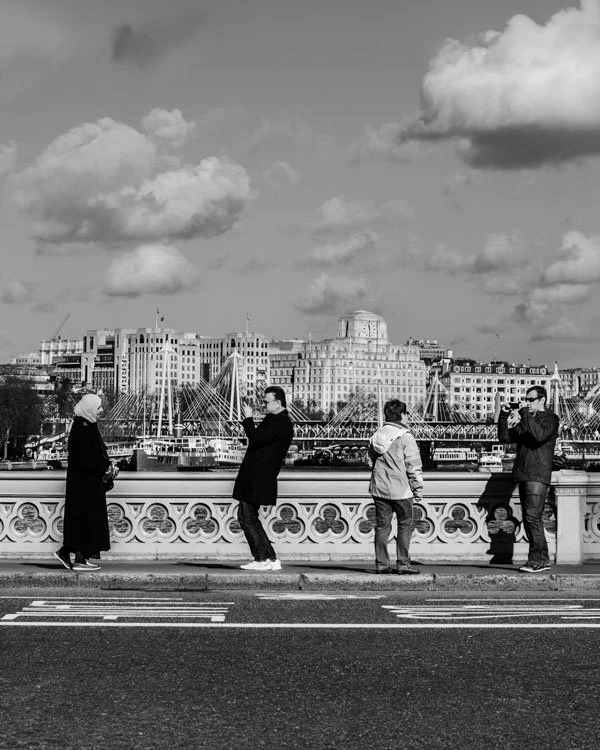
And when it does happen, observation, timing, instinct and chance come together in a moment that can only happen once. —Or maybe twice.
