
Article originally written in English. Automated translations may contain inaccuracies.
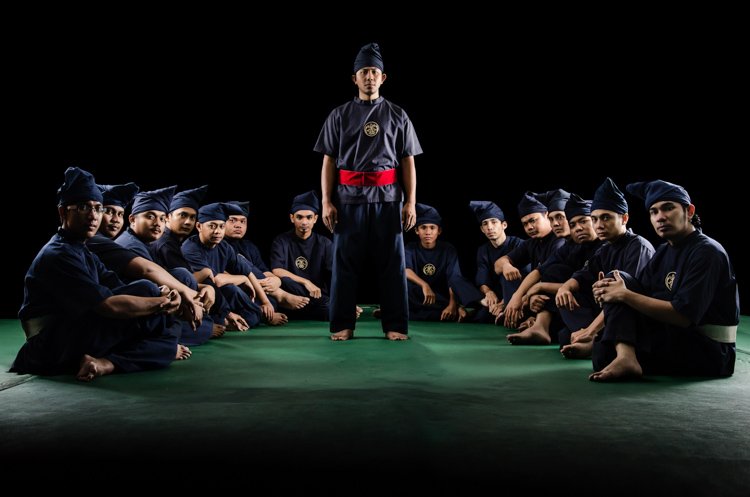
Silat Cekak Hanafi is a Malay martial tradition centered on self-defense, using natural body movements and direct responses rather than ornamental movements. I photographed its practitioners in Kuala Lumpur, where I encountered it as both a martial system and a cultural tradition still being carried forward by a younger generation.
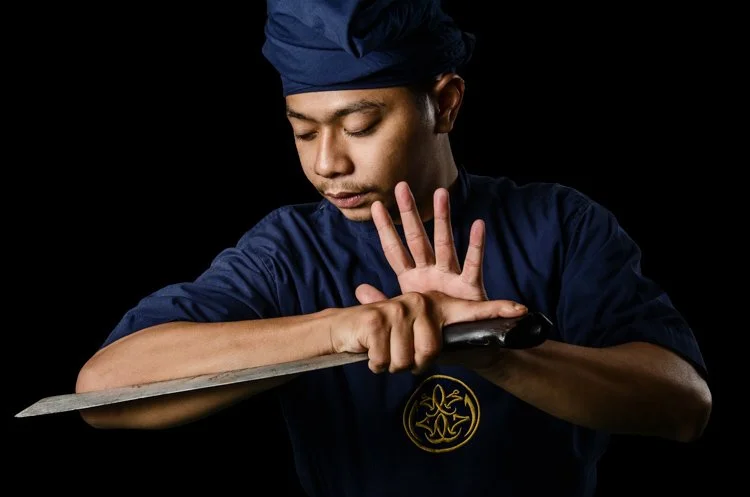
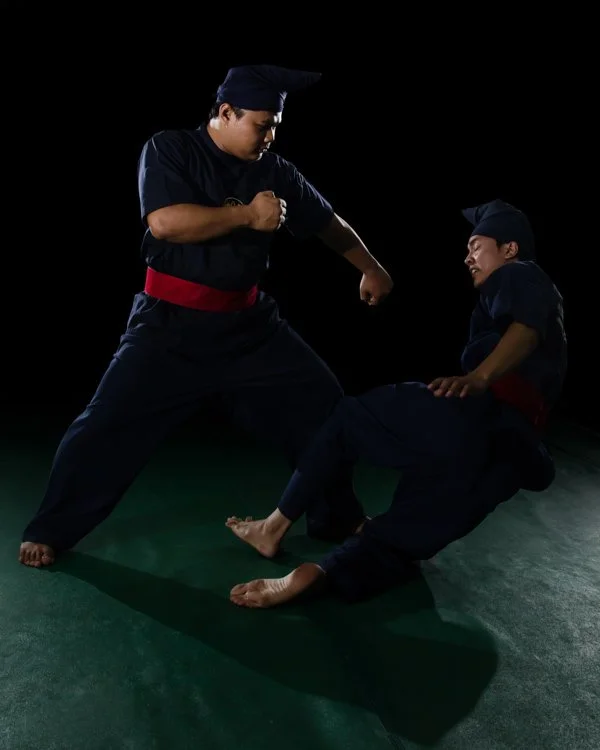
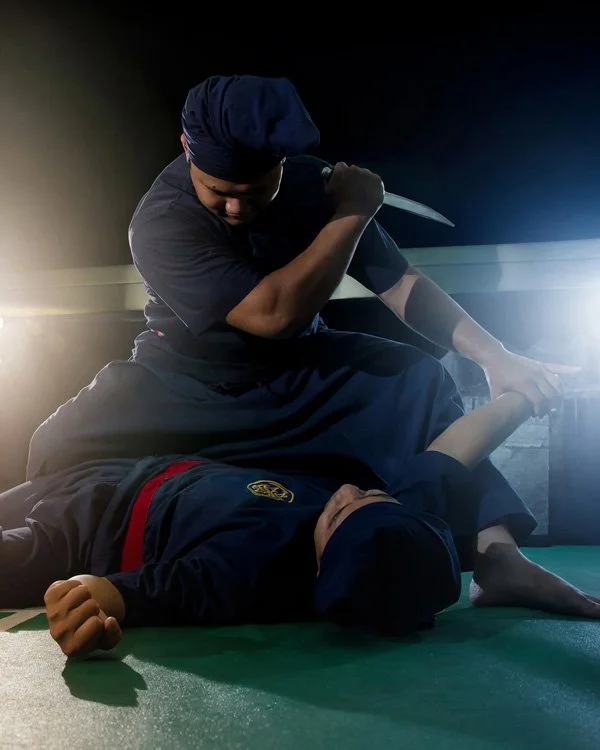
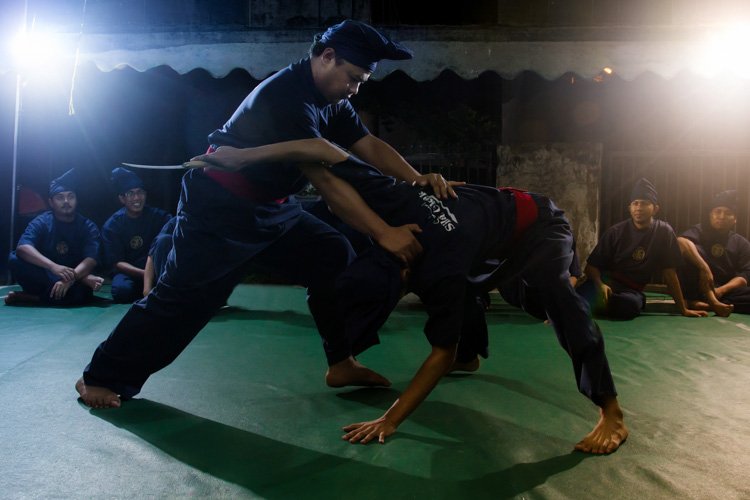
Although its movements can appear simple and controlled, when applied they can become fast and forceful, using direct responses designed to neutralize a threat without unnecessary movement. Training weapons belong to that same martial vocabulary rather than functioning as a separate form of display.
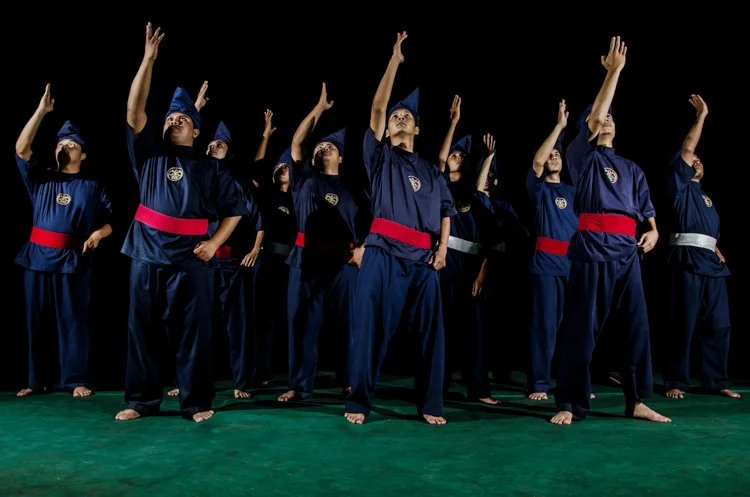
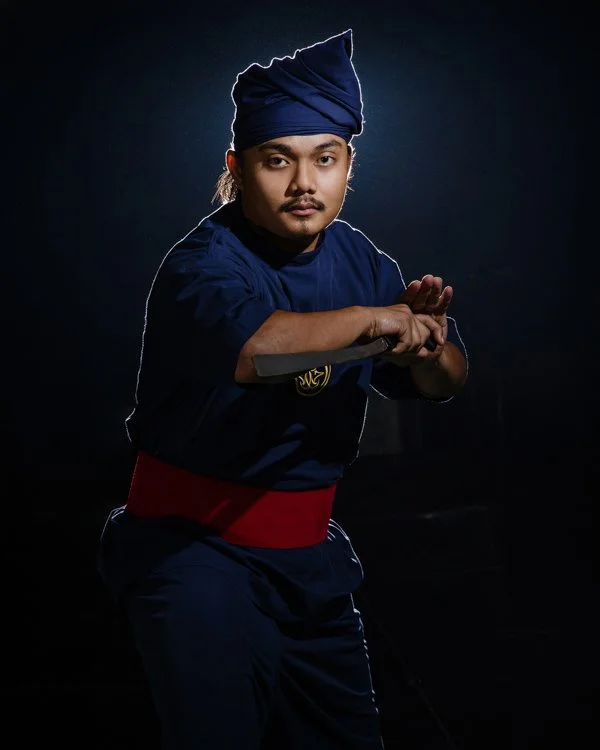
I approached the series through both portraiture and martial demonstration, moving between individual presence and the physical language of Silat Cekak. The portraits show the people behind the practice, while the demonstrations reveal how posture, movement, proximity and response become part of the discipline they embody.
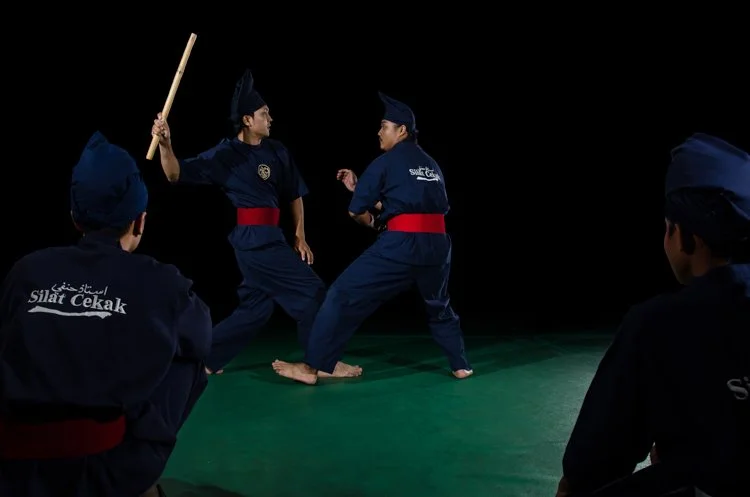
Islam was also closely connected to how the practitioners understood Silat Cekak Ustaz Hanafi. As a non-Muslim, I understood that dimension less through doctrine than through the way they spoke about self-control, humility, responsibility and personal conduct. This placed martial ability within a broader set of values, making the relationship between cultural inheritance, faith and the controlled use of force particularly interesting to me.
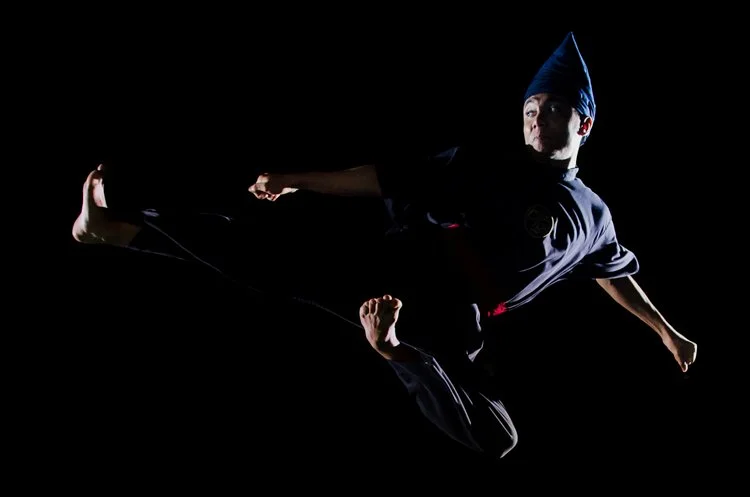
Seeing the techniques up close made the contrast with the young practitioners themselves more apparent, because despite what they were physically capable of, I never perceived aggression in them. There was a noticeable calmness in the way they moved, waited and interacted, drawing a clear distinction between having the ability to use force and behaving violently.
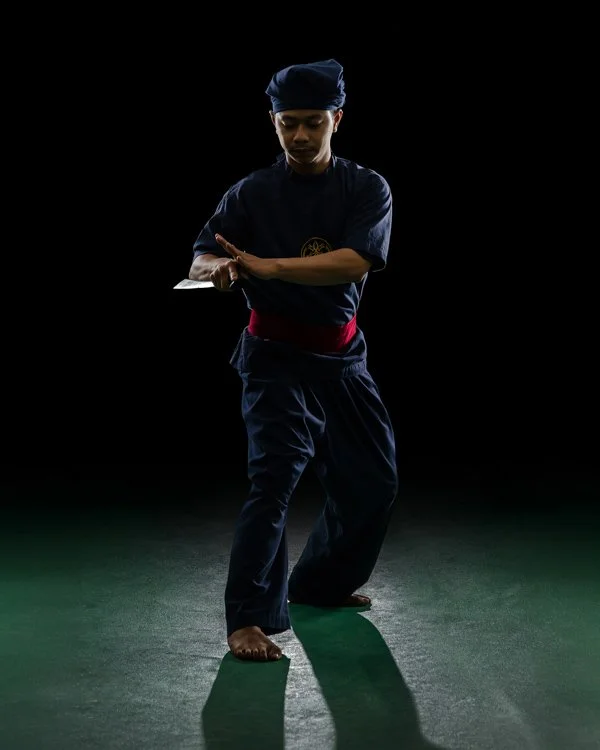
That calmness was equally present outside the demonstrations, where they were warm and collaborative throughout the shoot, curious about a foreign photographer from El Salvador—a country some of them seemed unfamiliar with—and generous in allowing me into their space. Although I came from a different cultural background, their openness and the way we interacted made the experience rewarding.
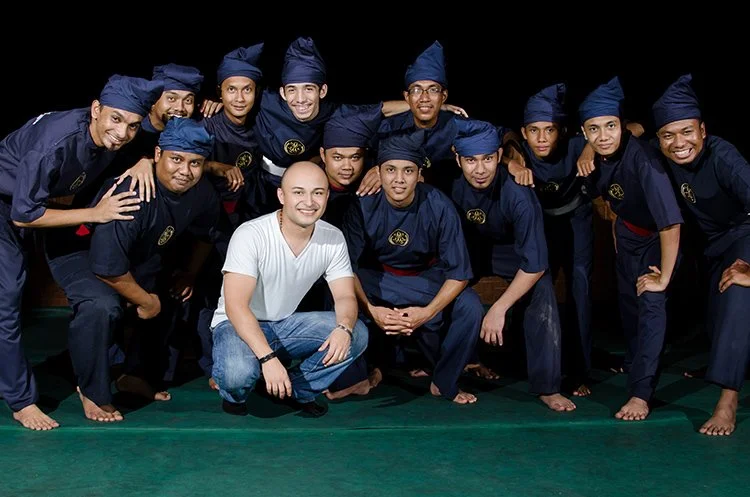
Special thanks to the Wan family for their hospitality and guidance throughout the city.
