
Article originally written in English. Automated translations may contain inaccuracies.
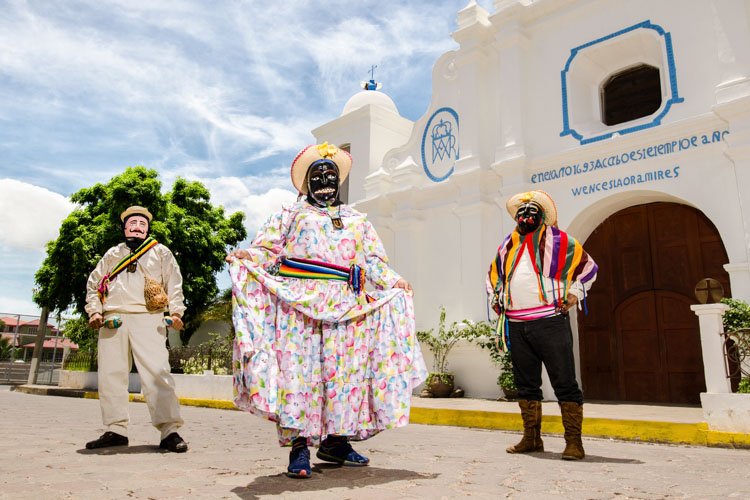
One of the most special traditions I have encountered is La Sanjuaneada, not only because of its cultural syncretism, but also because of the Afro-descendant influences that have become part of the local identity over generations in Conchagua, a city near the Gulf of Fonseca in El Salvador, within a region also known for its Indigenous Lenca roots.
The colonial church of Conchagua was completed in the year 1693, a date still recorded on the inscription above its main entrance.
For generations, the belief that El Salvador had little or no African lineage became deeply rooted among its own population, despite historical and anthropological research showing otherwise.
More recently, that heritage has become more visible through a broader process of recognition and self-identification among Afro-Salvadorans.
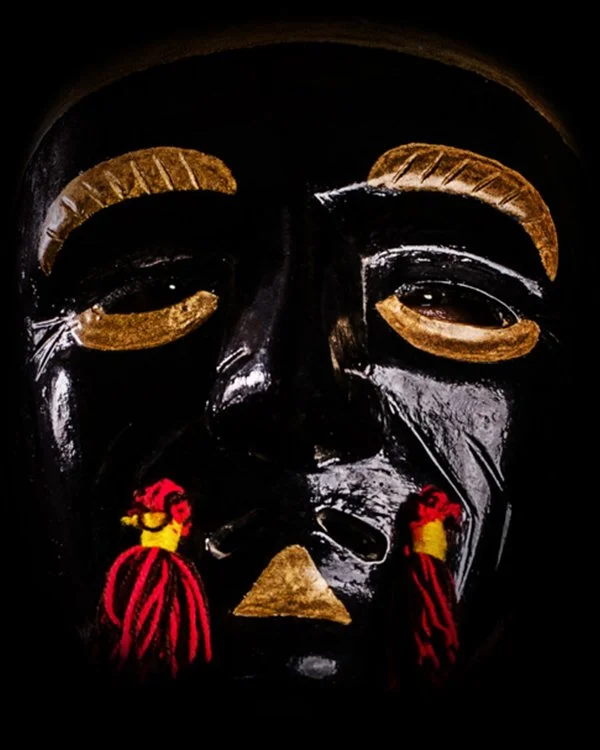
La Sanjuaneada also carries a strong satirical character and is remembered locally as a form of mockery toward Spanish figures during the colonial period. Gestures, humor and the transformation of the performers give the tradition a sense of irreverence rather than solemnity. That playful use of satire remains one of the elements that gives the tradition its singularity.
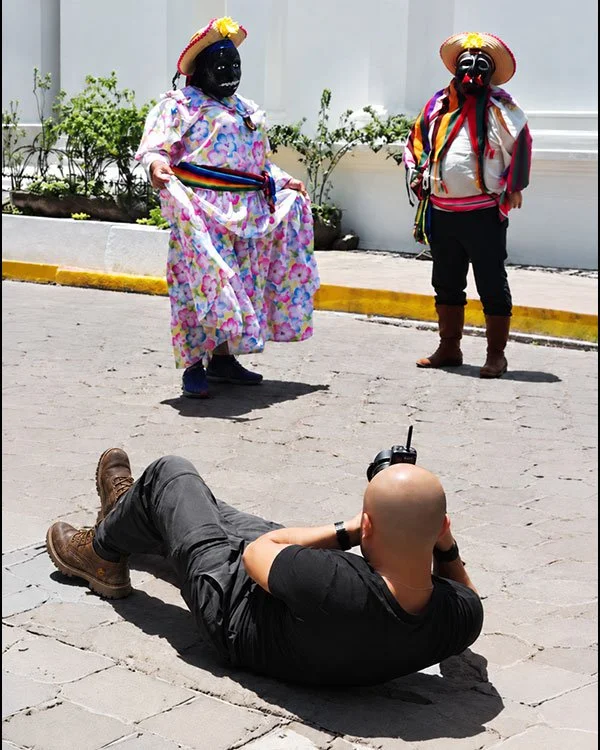
The version I photographed included three characters: La Vieja, El Viejo and El Cumiche. Together, they bring that playful sense of humor to life, while the black masks remain among its most distinctive visual elements.
The fact that all three characters are performed by men adds another layer of irreverence to the tradition.
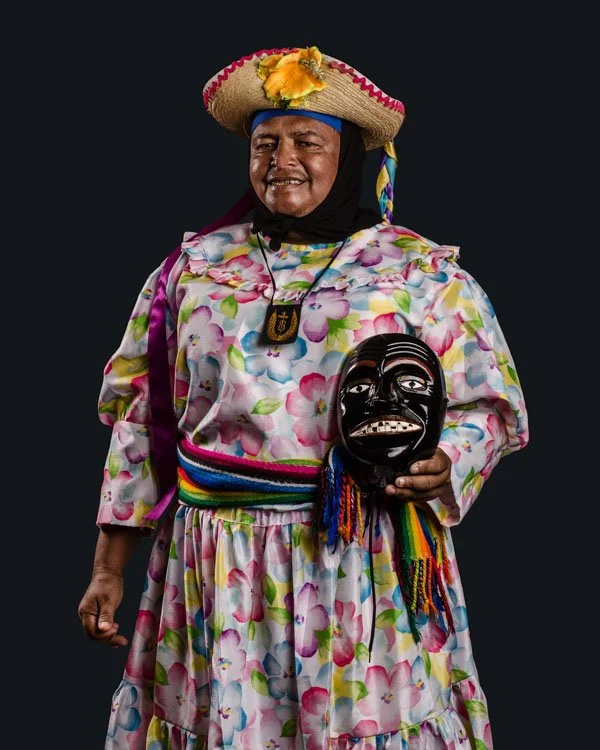
For this series, I wanted to separate the characters from the performance and give visibility to the anonymous individuals behind them, allowing the person and the character to exist within the same image. Spending one-on-one time with them also offered a deeper sense of the culture and the legacy they carry, because certain ways of speaking, thinking, joking and relating to others are unique to the place itself.
Those interactions became one of the most enjoyable parts of the experience, as the performers themselves were just as irreverent and funny out of character.
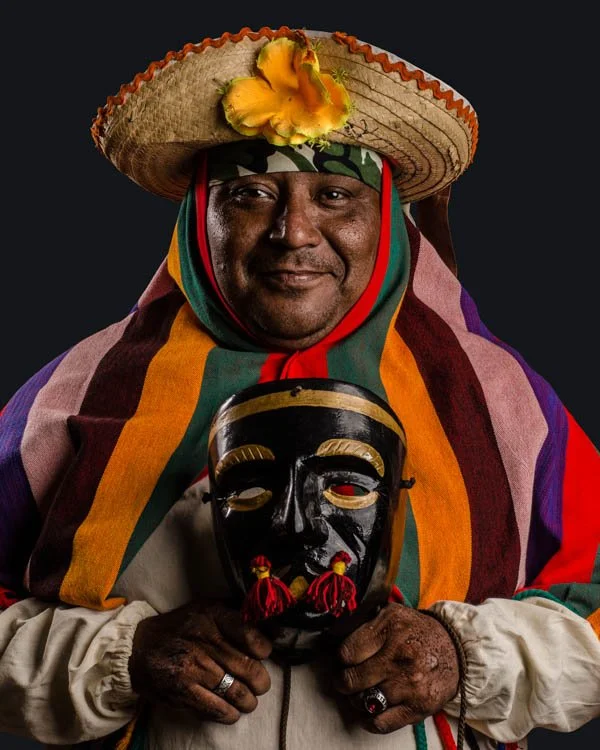
That distinction became even more important to me because local traditions like La Sanjuaneada are not extensively documented, and over time some have also been adapted by folkloric groups for other settings. I am always more interested in photographing local people who participate in these traditions as part of their cultural identity or faith.
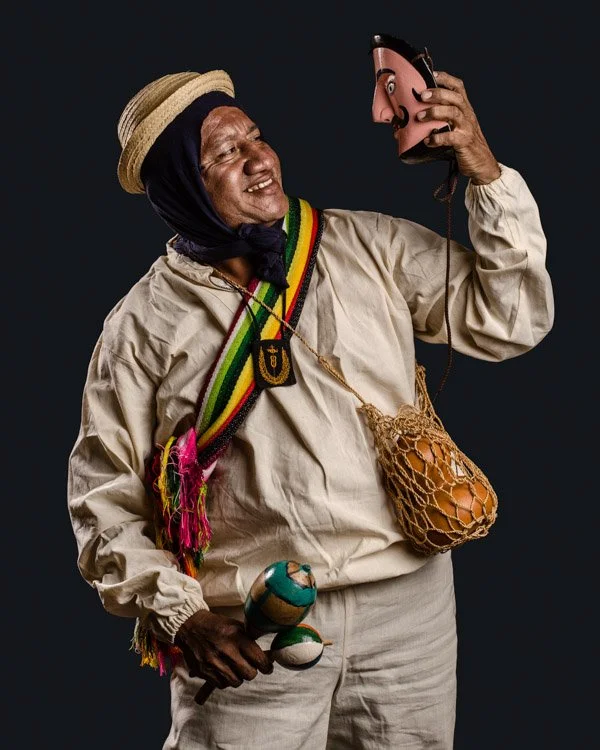
I have yet to see this type of cultural syncretism represented in the museums I have visited in El Salvador, so part of the motivation to seek out these traditions is simply to make the portraits I want to see for myself. It also allow me to recognize first hand the resilience of the people who continue to carry these expressions forward, preserving part of their cultural identity through memory and community.
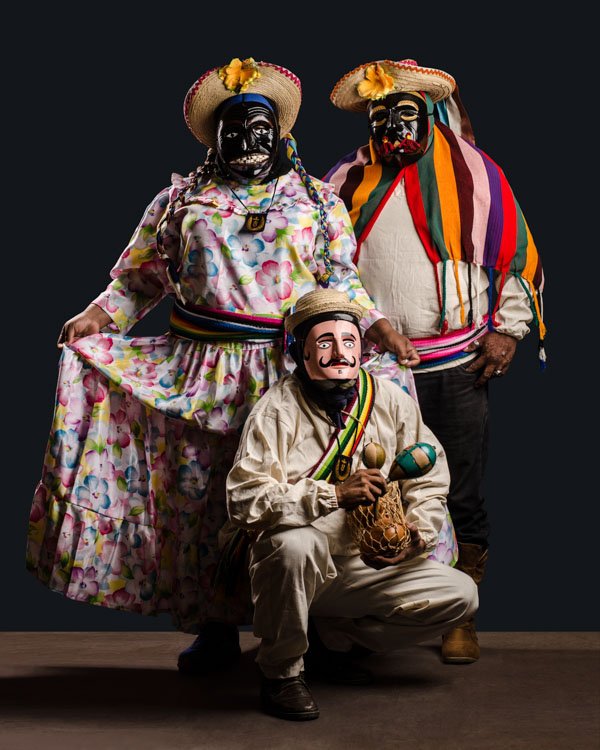
In El Salvador, my professional work is centered on commercial and portrait photography, while my cultural projects are self-initiated, self-funded, and driven by personal interest. That separation gives me the freedom to invest my own time and resources in meeting people, spending time with them, and photographing cultural legacies that may eventually disappear.
—Special thanks to Gustavo and Vidal for their guidance on this portrait series.
