
Article originally written in English. Automated translations may contain inaccuracies.
The story of Los Historiantes in El Salvador goes back centuries, when stories of Moors and Christians crossed the Atlantic and became part of the religious and cultural landscape of Central America during the colonial period. Within Indigenous communities in what is now El Salvador, those stories were gradually absorbed, reinterpreted, and given a place within their own cultural life.
This blending of cultural influences is at the heart of Los Historiantes. Christian narratives became intertwined with Indigenous heritage and with practices that developed within the communities that continued to perform them. Over generations, this cultural syncretism gave the tradition a character rooted in the places and people who made it their own.
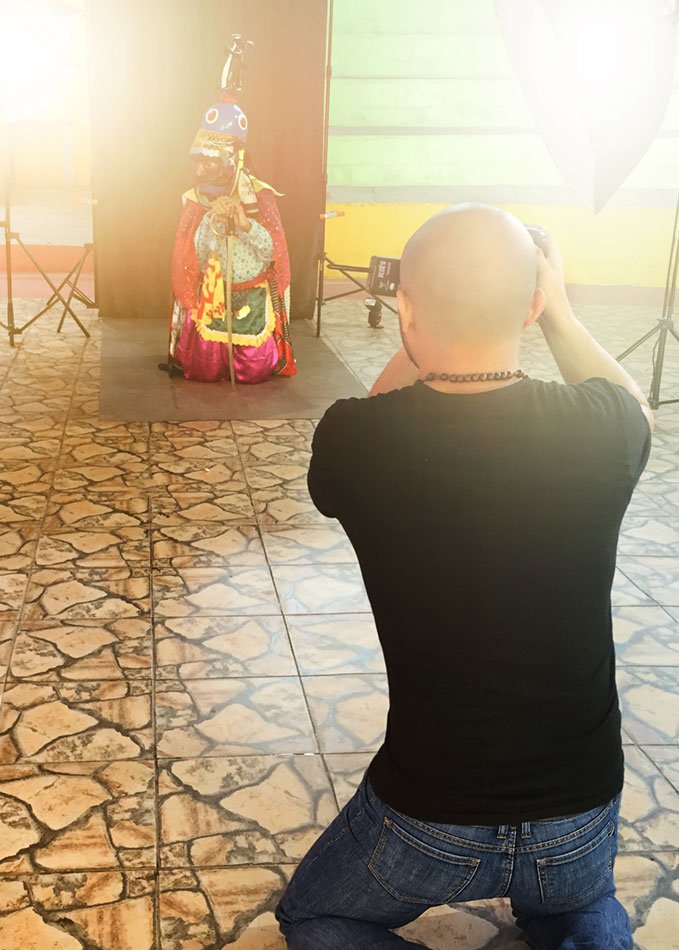
There is no single version of Los Historiantes across El Salvador. From one community to another, the stories, characters, costumes, music, and ways of performing can differ.
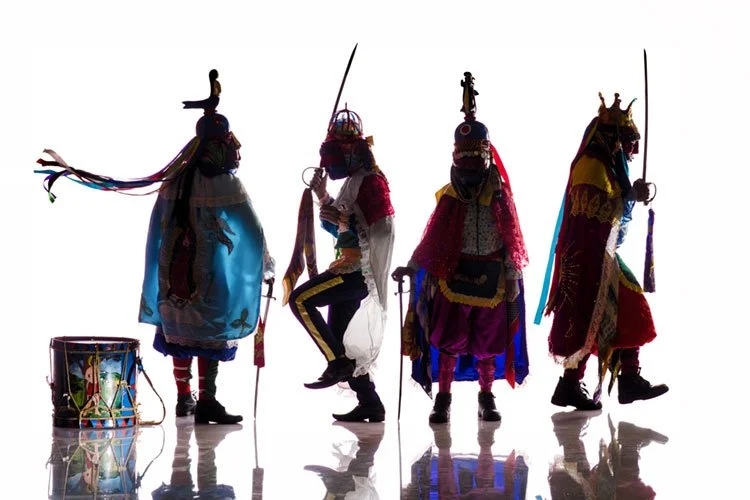
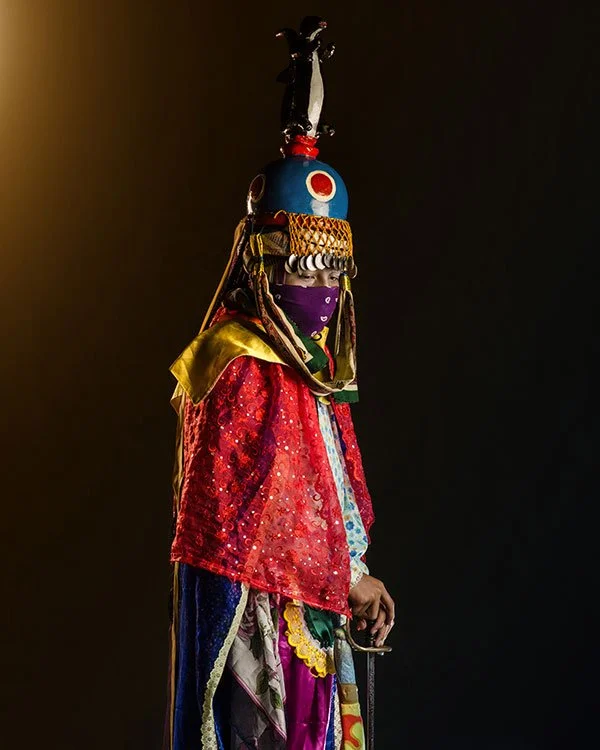
In photographing Historiantes in both central and eastern El Salvador, I have seen these regional differences firsthand. Masks, decorated headpieces, and scarves or other forms of face covering become part of the visual identity of the characters, helping transform the person wearing them into the role they represent. Their appearance also varies between communities, adding another layer to the way each one has preserved and interpreted the tradition.
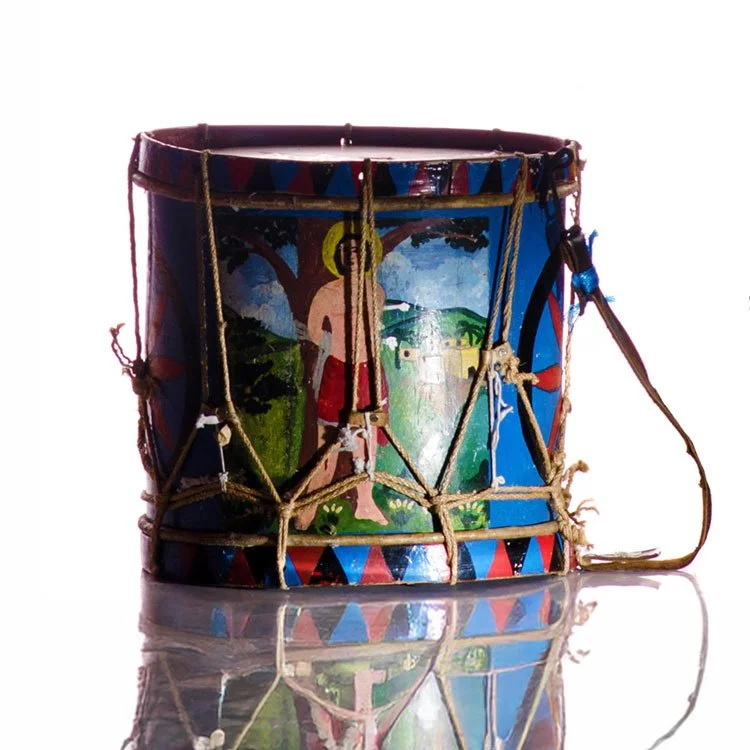
Music carries that local character as well. In some Salvadoran communities, pito and tambor have accompanied Los Historiantes for generations. Behind the performances are small community groups, and in most places the same people who participate also make or repair costumes, masks, drums, and other elements needed to continue the tradition.
Much of the knowledge surrounding Los Historiantes has been carried through oral tradition and direct teaching. Dialogues are remembered, movements are observed, music is practiced, and roles are learned from people who once learned them in much the same way. Written records may exist, but human memory remains an important part of that transmission.
Older members often become an essential link between generations. They carry details learned from parents, grandparents, former dancers, musicians, and teachers, and make the effort to share that knowledge with younger participants. In this way, experience accumulated over decades can continue through people who are only beginning to take their place in the tradition.
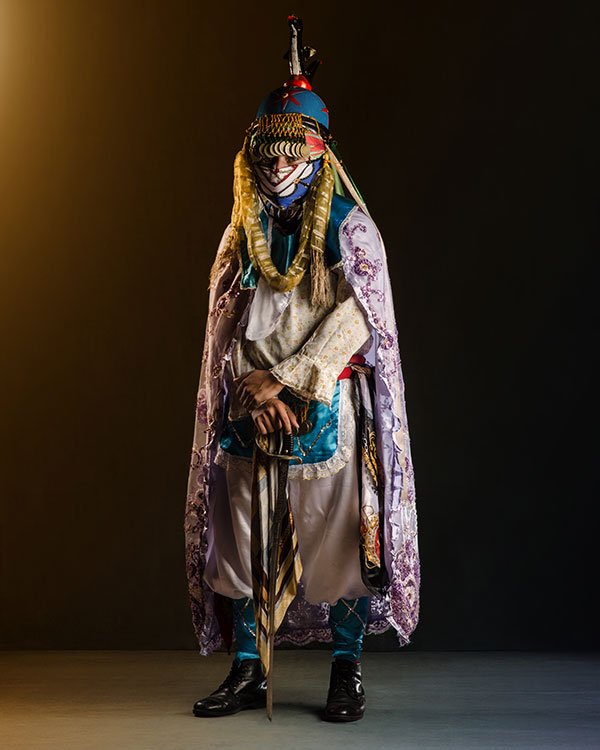
There is resilience in the continuity of Los Historiantes. Keeping a tradition alive requires people willing to dedicate time to rehearsing, teaching, preparing clothing and instruments, organizing within their communities, and returning year after year. Its survival is not guaranteed; it depends on people who continue to make room for it in their lives.
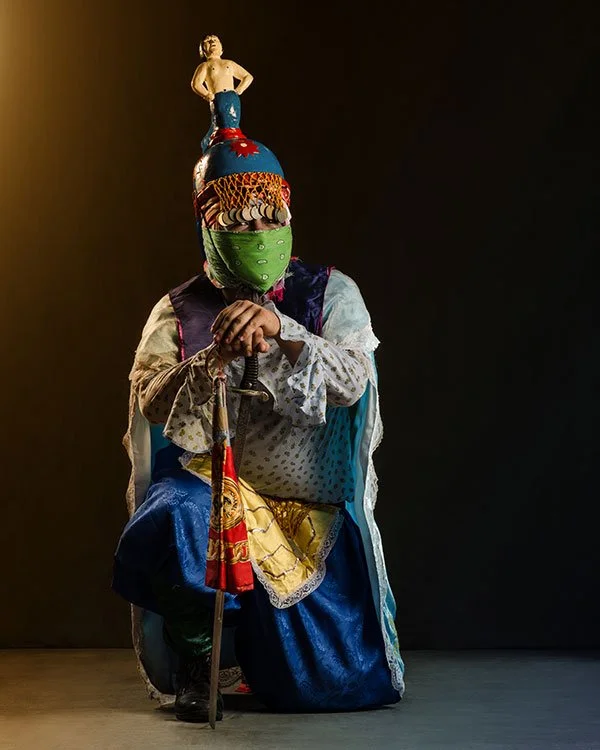
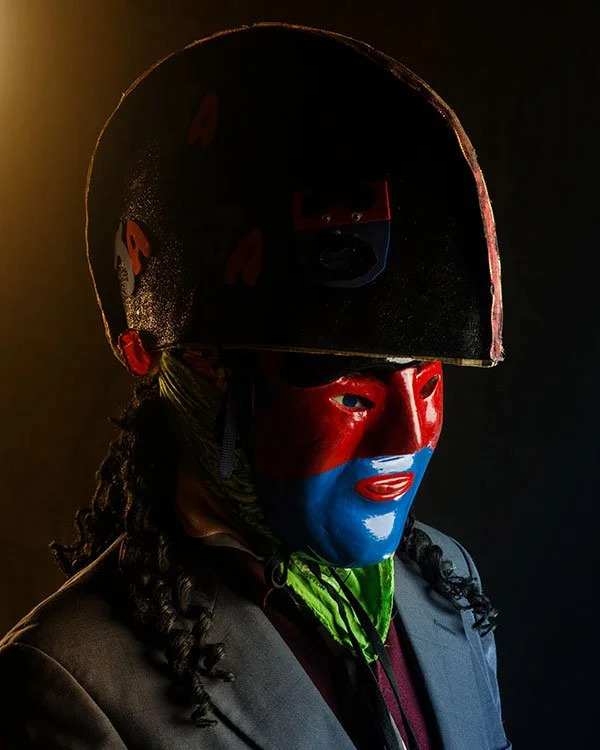
People who carry Los Historiantes are anonymous to the public but are the temporary guardians of knowledge that existed long before them. Each participant holds a part of that legacy, but together they allow it to continue beyond any single generation.
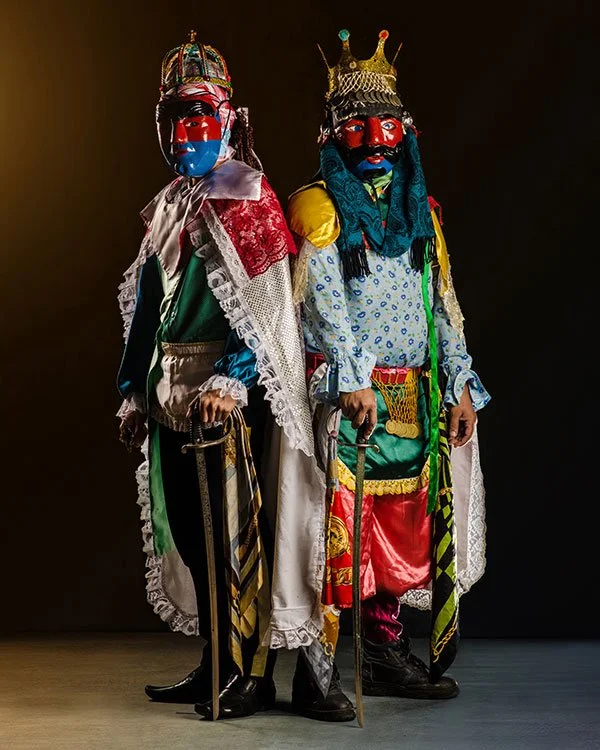
Today, Los Historiantes remain an expression of cultural syncretism in El Salvador, shaped by Indigenous heritage, Christian tradition, local music, oral memory, family, and community. Beyond the stories, costumes, or performances, their legacy rests with the people who continue to learn, practice, and pass on what others once entrusted to them.
— Thanks to Ezequiel for helping me connect with the group and assisting me with this series.
